


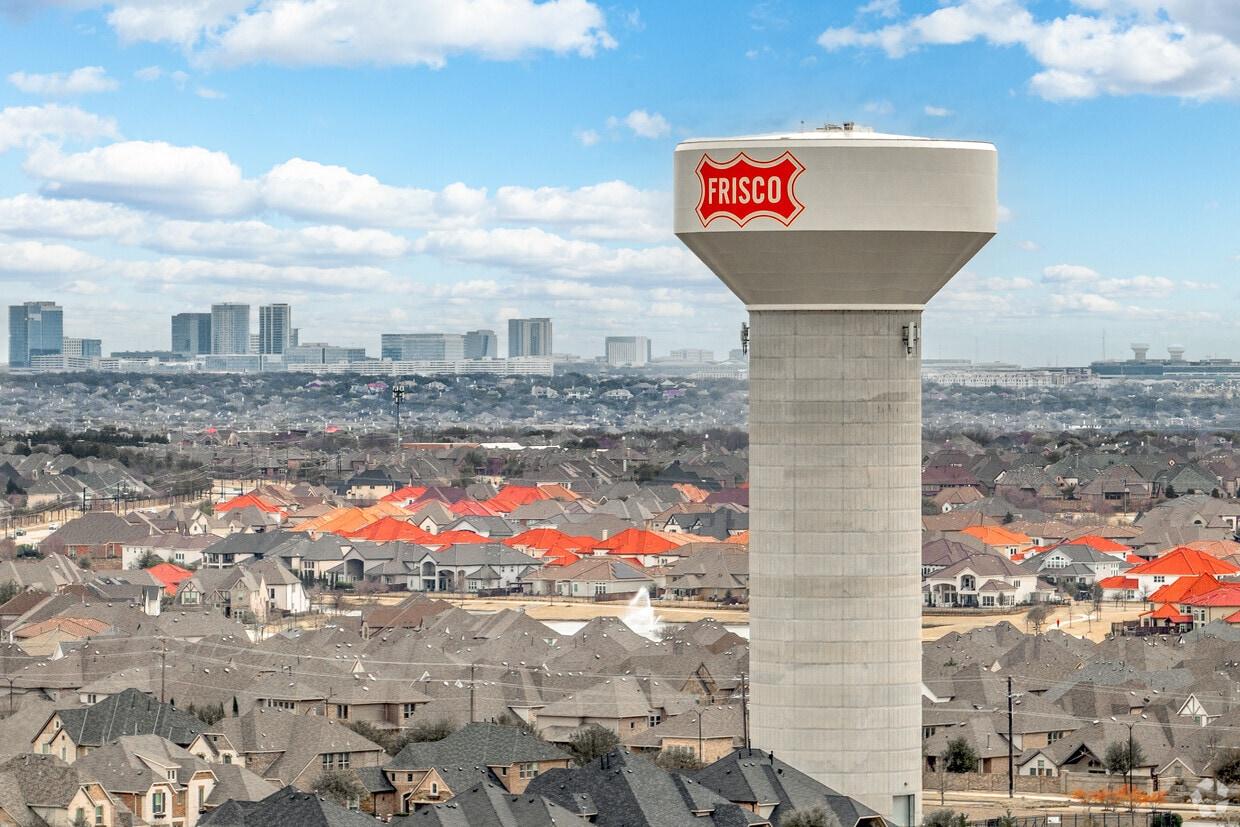
Joseph Moline | February 8, 2026 | Updated August 2026
“Guiding You Home in Dallas and Beyond”
If you are a New York City homeowner considering a move to Frisco or the Dallas–North Texas area, the most important change is not simply your location—it is how you approach buying your next home.
The Frisco real estate market operates very differently from New York City. Housing is less vertically concentrated, neighborhoods cover larger areas, driving is a central part of daily life, and the Texas purchase process may move faster than many New York buyers expect.
This guide explains what out-of-state buyers should consider when purchasing a home in Frisco, Texas. It is not a formal relocation service. It is practical real estate guidance from a Texas broker who can help you understand the local market, compare homes, and navigate the Texas buying process.
Why New York Buyers Are Looking at Frisco
Frisco has attracted attention from buyers seeking newer homes, master-planned communities, professional opportunities, and access to the greater Dallas–Fort Worth area. Located approximately 25 miles north of Dallas, the city combines residential communities with major employment centers, sports venues, restaurants, shopping, parks, and other amenities.
The appeal is not only additional space. Buyers may find a broader selection of floor plans, attached garages, home offices, outdoor living areas, and community amenities than they are accustomed to seeing in New York City.
Frisco is still a competitive and increasingly established market. The U.S. Census Bureau reported a median value of $642,100 for owner-occupied housing during 2020–2024. That figure is a broad historical measure rather than a current asking price, so buyers should use recent neighborhood sales and active listings when establishing a budget.
 How Frisco Housing Differs From New York City
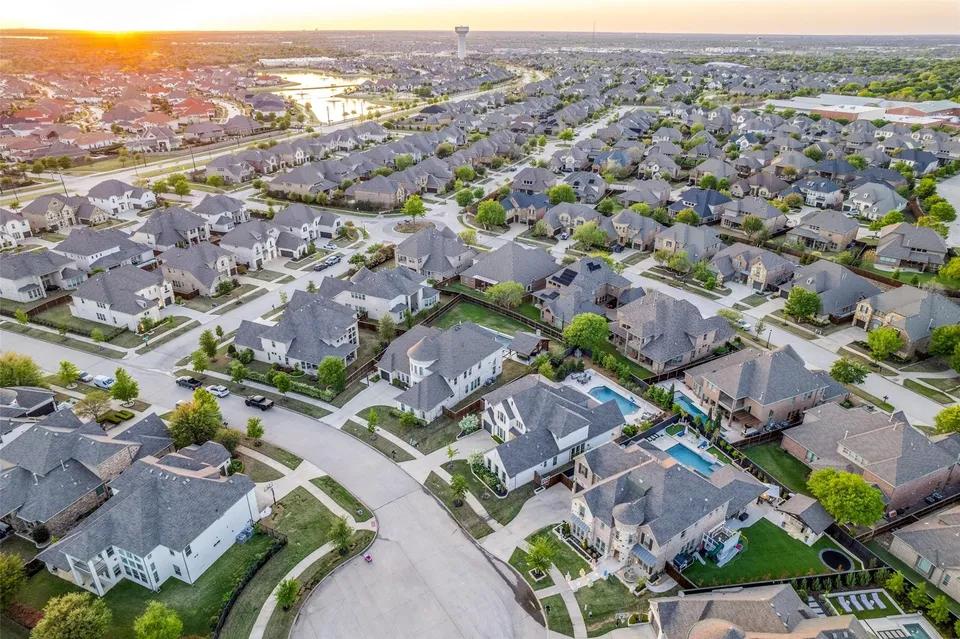
New York City buyers often organize a home search around boroughs, buildings, co-op or condominium requirements, and access to public transportation. In Frisco, the search is more commonly organized around neighborhoods, subdivisions, commuting routes, school-district boundaries, home age, amenities, and new construction versus resale.
Frisco housing options may include:
-
Established single-family neighborhoods
-
Newer master-planned communities
-
Townhomes and condominiums
-
Gated and golf-course communities
-
Luxury homes
-
New-construction developments
Each option has different considerations. An established home may offer mature landscaping and a more completed neighborhood, while new construction may provide current design choices and energy features. New construction also requires careful review of builder contracts, construction timelines, inspections, incentives, and the buyer’s independent representation.
Frisco Is Not One Uniform Market
A Frisco address does not automatically tell you everything about a property. Frisco extends into Collin and Denton counties, and city limits, mailing addresses, school districts, and utility-service areas do not always align.
Two homes with “Frisco” in the address may have different:
-
Property-taxing entities
-
School-district and campus assignments
-
Municipal or utility services
-
HOA requirements and fees
-
Special district assessments
-
Commuting routes and drive times
This is why a property-by-property review is important. Attractive photographs and square footage are only part of the decision. The complete ownership picture should be examined before making an offer.
Property Taxes and the Total Cost of Ownership
Texas does not impose an individual state income tax, which is often of interest to New York residents. However, buyers should not compare the two states using that fact alone.
Texas relies significantly on property and sales taxes. A Frisco property’s total tax rate may include the city, county, school district, college district, and other applicable entities. Rates and exemptions vary according to the property’s location and the owner’s eligibility.
When comparing homes, consider the complete monthly and annual cost:
-
Mortgage principal and interest
-
Property taxes
-
Homeowners insurance
-
HOA dues
-
Utilities
-
Toll-road and vehicle expenses
-
Routine maintenance
-
Possible special district assessments
A real estate broker can help you locate property-specific information, but tax consequences should be reviewed with a qualified tax professional familiar with your circumstances.
Understanding School-District Boundaries
Many buyers want to understand the public-school districts serving homes they are considering. Frisco Independent School District serves much of the city, while portions of Frisco and nearby areas may be served by other districts.
School-district boundaries and campus assignments can change and should be verified directly with the applicable district for every property under consideration. Buyers should independently review official information about programs, enrollment, transportation, and the criteria that matter to them.
My role as your Texas real estate broker is to provide the correct property and district resources—not to select or rank schools on your behalf.
Transportation and Commuting in North Texas
One of the largest lifestyle adjustments for a buyer leaving New York City is transportation. Frisco is primarily car-oriented. Most residents drive to work, shopping, dining, healthcare, and recreation.
When selecting a home, test the routes you expect to use during the actual hours you would travel. Consider access to the Dallas North Tollway, Sam Rayburn Tollway, major employment areas, and both Dallas Fort Worth International Airport and Dallas Love Field.
The right home is not simply the one with the preferred floor plan. It should also work with your daily routine, business travel, household needs, and tolerance for commuting.
What Changes When Buying a Home in Texas
The Texas purchase process may feel unfamiliar to a New York buyer. Contract forms, earnest money, option periods, inspections, title work, surveys, appraisals, insurance, and closing practices differ from those used in New York.
Buyers should be prepared to:
-
Establish financing and proof of funds before touring seriously.
-
Define the desired areas and property criteria.
-
Review comparable sales and current competition.
-
Understand the offer, earnest-money, and option-fee requirements.
-
Arrange inspections promptly during the contract period.
-
Obtain homeowners-insurance information early.
-
Review title, survey, appraisal, and lender requirements before closing.
Preparation is especially valuable for an out-of-state buyer. Virtual consultations and video tours can help narrow the search, but an in-person visit is advisable whenever practical before making a final decision.
New Construction Requires Buyer Representation Too
Frisco and surrounding North Texas communities offer new-construction opportunities, but the builder’s sales representative works for the builder. Buyers may benefit from having their own Texas real estate broker involved from the first visit or registration.
Buyer representation can help with community comparisons, builder research, contract questions, inspection planning, construction updates, incentives, and the resale implications of lot placement and property features. Builder contracts are not the same as standard resale contracts, and buyers should also consult an attorney when legal advice is needed.
Climate and Homeownership Considerations
North Texas summers are long and hot. Spring weather can include severe thunderstorms and hail, while occasional winter ice can disrupt local travel.
When evaluating a home, pay close attention to:
-
Roof age and condition
-
Heating and air-conditioning systems
-
Drainage and foundation conditions
-
Windows and insulation
-
Insurance availability and cost
-
Energy efficiency
New construction should also be independently inspected at appropriate stages. Obtaining an insurance estimate early can prevent an unexpected ownership cost late in the transaction.
 Is Frisco the Right North Texas Choice for You?
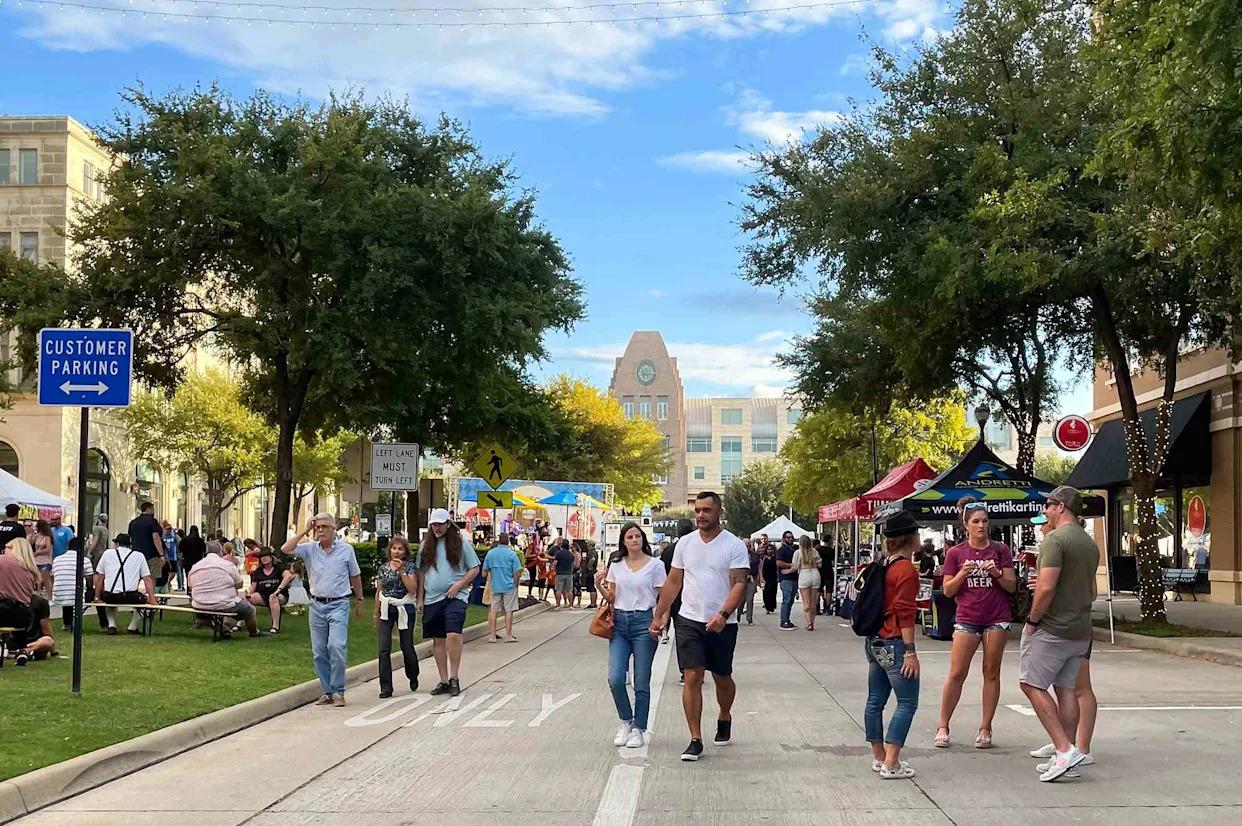
Frisco may appeal to buyers seeking newer housing options, access to major business corridors, professional sports and entertainment, shopping, dining, and proximity to two airports. It also offers a suburban lifestyle that is very different from New York City.
That difference should be evaluated honestly. Frisco does not offer New York’s density, extensive rail network, or block-by-block walkability. A successful move begins with deciding which conveniences and priorities are essential to your daily life.
Frisco should also be compared with nearby Plano, Prosper, McKinney, and other North Texas communities. The best choice depends on budget, home style, work location, commute expectations, and personal priorities—not on a generic ranking.
Start Your Frisco Home-Buying Strategy
If you are considering a move from New York City to Frisco, Andre Ryan Real Estate Firm can help you understand the local housing market, compare properties, and navigate the Texas home-buying process.
Contact Joseph Moline, Broker/Owner, to discuss your goals and begin a customized Frisco home search.
Start Your Frisco Home Search Plan
About This Guide
This buyer-focused guide is for individuals considering a move from New York City to Frisco and the Dallas–North Texas area. It provides general educational information about residential real estate and is not financial, legal, tax, insurance, or school-selection advice.
Andre’ Ryan Real Estate Firm is a licensed Texas real estate brokerage. Real estate services are provided by licensed professionals under broker supervision. Property information, school assignments, tax rates, commute times, and market conditions should be independently verified.
Frisco & Dallas–North Texas Real Estate
Andre Ryan Real Estate Firm serves buyers and sellers in Frisco, Plano, Prosper, McKinney, Dallas, and surrounding North Texas communities.